
Peers4Good
A peer-based support initiative to drive holistic outcomes for women exiting prison
Delivered by Collab4Good, the Peers4Good Program supported the safe reintegration of vulnerable women leaving Adelaide Women’s Prison back into the community, and enabled social, civic and economic participation. The project connected participants with a peer coordinator with lived experience of incarceration, who worked 1-1 with each participant to assess and identify their goals and needs, and to co-design a tailored development plan and activity package to help each participant to meet their unique goals.
Due to funding ending, the Peers4Good Program is no longer operating. See program information, outcomes, and evaluation below.
Purpose
Enable adult women (18+) leaving Adelaide Women’s Prison to re-enter community life with dignity, agency and practical support.
Pilot duration
July 2023 - June 2025.
Delivery team
2.0FTE program staff with 1.2FTE lived experience Peer Coordinators (one First Nations).
Key Partner
Department for Correctional Services (DCS); Adelaide Women’s Prison (AWP) and the Adelaide Pre-release Centre (APC).
Eligibility
Adults (18+) who identify as female or non-binary, who have been incarcerated in Adelaide Women’s Prison within 6 months of application including those serving a sentence and those on remand for a period of at least two months.
Region
Adelaide Metropolitan.
Supported
Target: 30 eligible women
Actual supported: 60 eligible women
Support window: Up to 3 months pre-release and 6-months post-release.
Individual budget
Individualised budget for approved, short-term, non-criminogenic and non-therapeutic items or activities to support reintegration and social, civic and economic participation.
Methodology
Peer support from Peer Coordinators with lived experience of incarceration pre and post-release.
Individualised planning to align with participant goals and needs.
Information and referrals to connect participants to services.
Day of release support including a release pack with basic items and transport.
Intensive check-ins and peer support provided in the first month of release as needed for each participant, with communications slowing in pace in the final three months for transition.
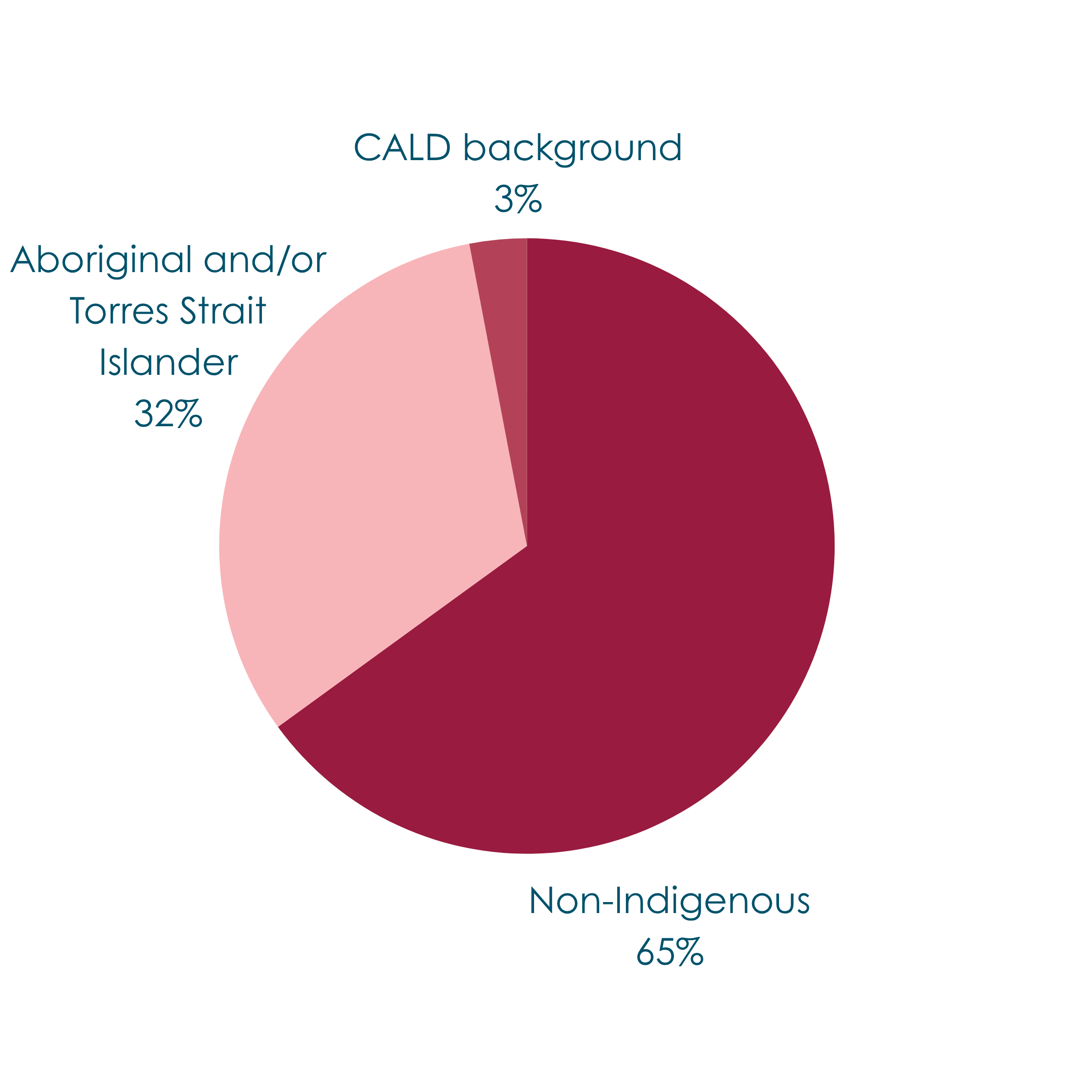
Women identified as
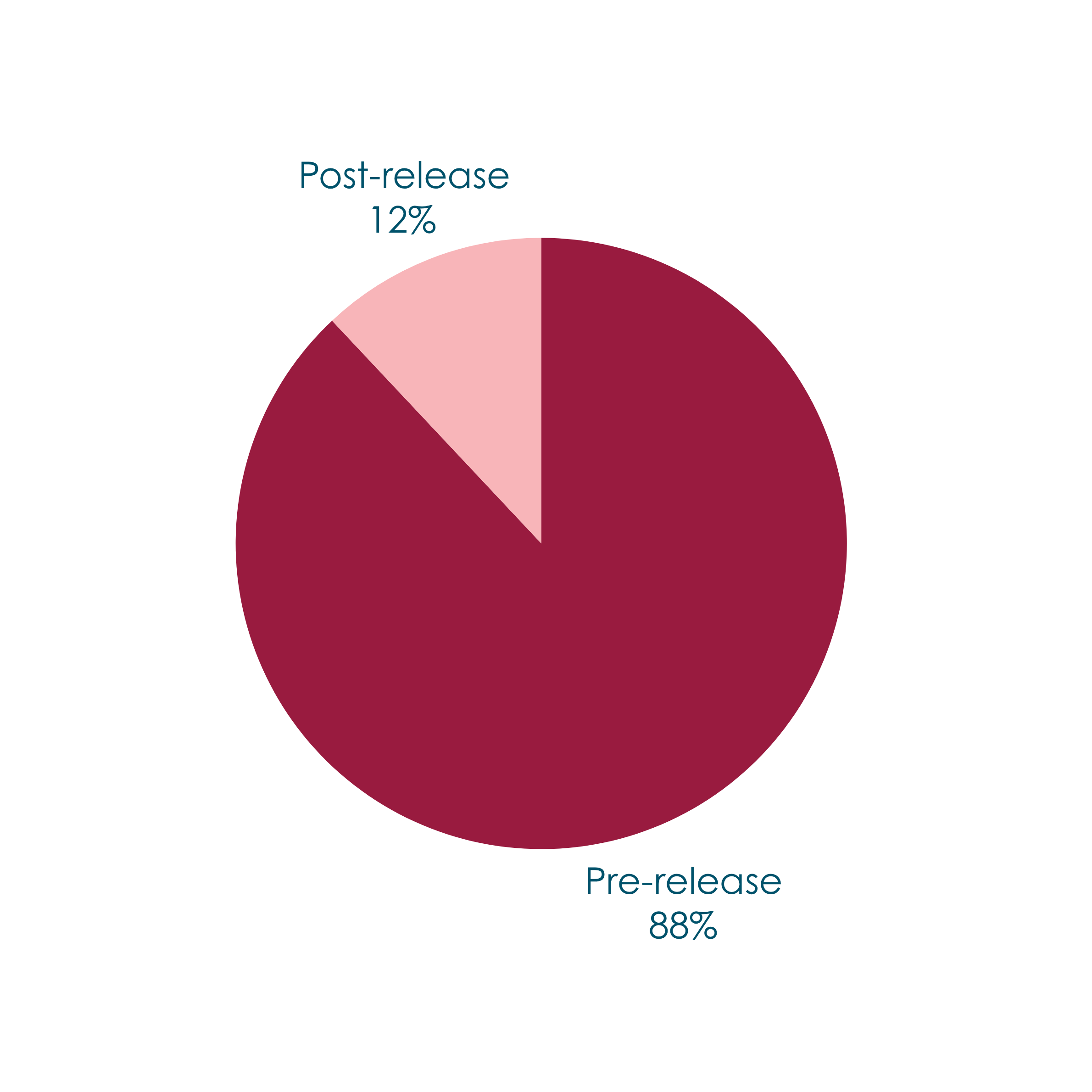
First engagement
Engagement depth
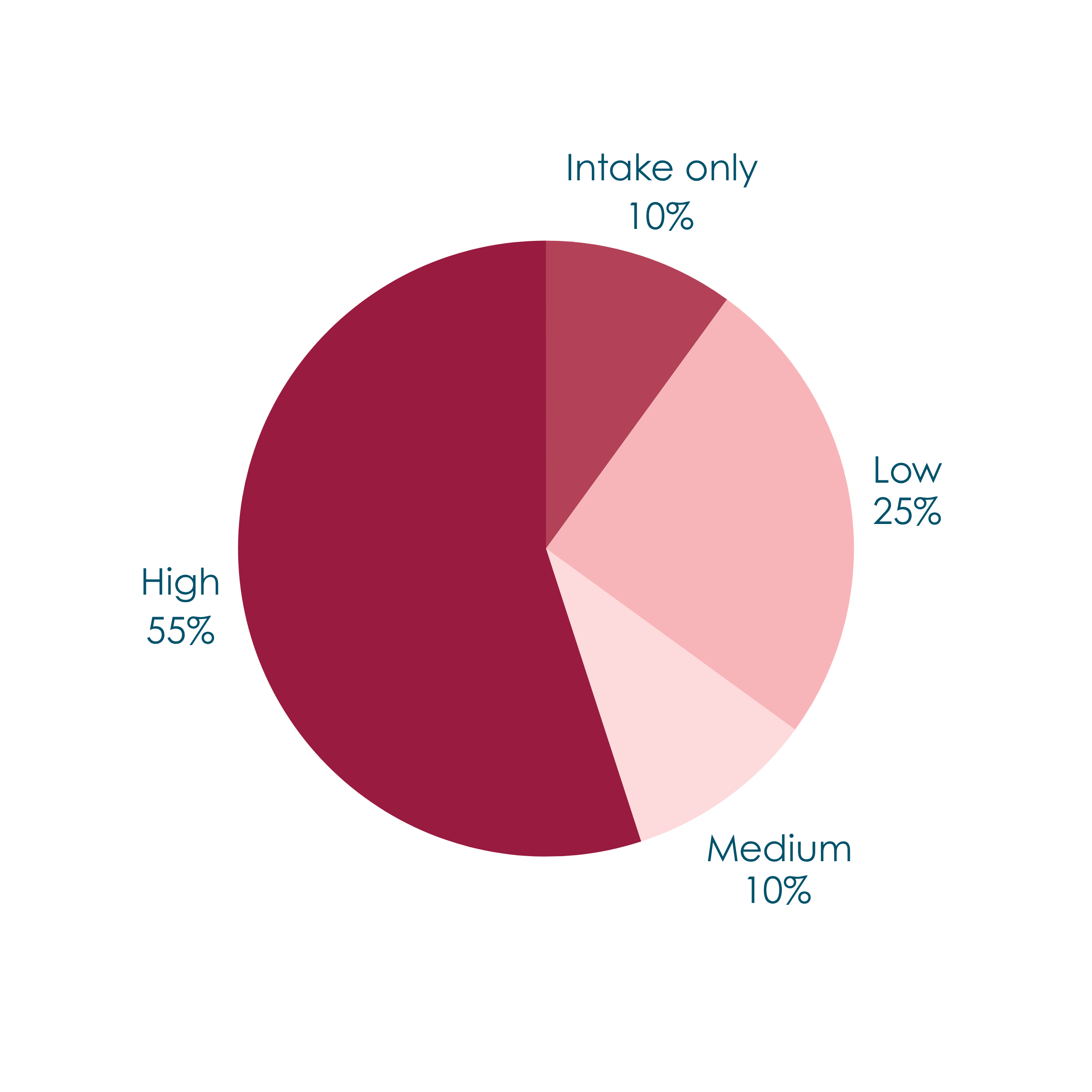
The majority of women were highly engaged in the program, but this varied widely. Participants were able to manage themselves how much to engage with the program, having been given peer coordinator contacts and the availability to support or even just talk if/when needed.
Each person’s journey is different
Each person's journey with Peers4Good looks different, driven by individual circumstances, strengths and needs. Below is a snapshot of the activities/support that the women accessed throughout the two years of the program.
Women used their budgets for essentials (clothing, toiletries, phones), work readiness programs, work experience (including education, clothing, equipment), group activities, wellbeing and short courses to rebuild employability and general life skills.
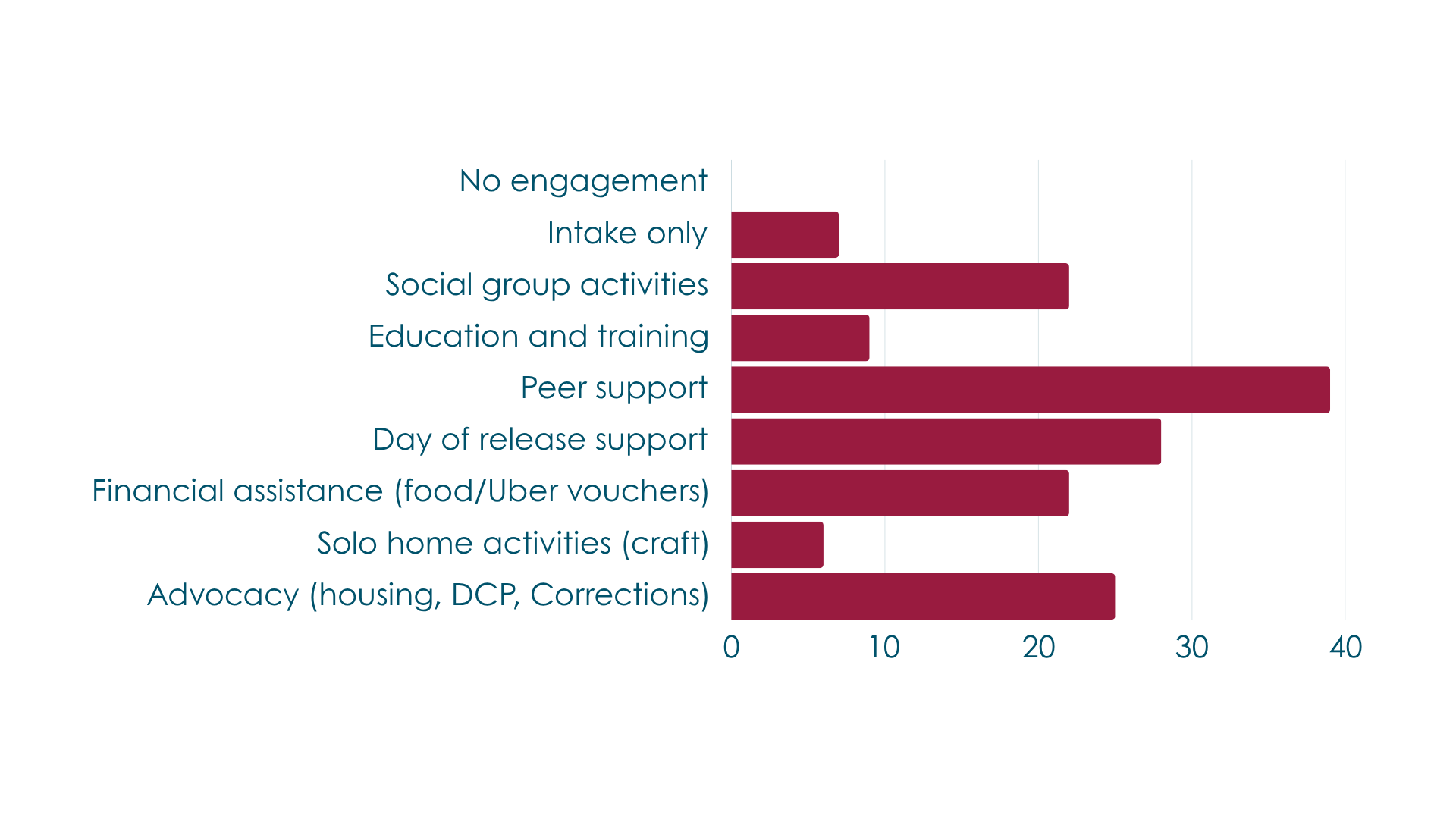
A thorough evaluation on the Peers4Good program was conducted, and is available for download below.
Published: June 2026
Author: Arianna Watson
Editor: Amy Orange
Acknowledgements
Collab4Good would like to thank everyone who has taken part and contributed to this program and to this evaluation. We would particularly like to thank the 19 courageous women who participated in this program and who were willing to provide their time, experiences, and insights into how the program worked, or didn’t work, for them.
We would also like to acknowledge the contributions of our funder and key partners and collaborators without whom this program would not have been possible. The Peers4Good program was funded from July 2023 to June 2025 under the Australian Government Department of Social Services Strong and Resilient Communities – Inclusive Communities Grants Program.
Last but not least, we would like to thank the program delivery team; our directors; and our Cultural and Clinical Support for all working so hard and with such passion to get the best possible outcomes for participants.
This program was undertaken on the traditional lands of the Kaurna people; we pay our respects to the Kaurna elders past and present, and acknowledge the deep injustices that still pervade for First Nations people in our systems today. We remain committed to putting a spotlight onto these injustices, and to working in allyship to find shared solutions and practices that embed and ensure the cultural needs, rights and identities of First Nations people are maintained.